Skip to content

An equipment-related injury at work can be overwhelming. There are medical bills, paperwork to fill out, and the potential of losing income for months. Navigating workers’ compensation and third-party claims can be complicated, but you do not have to do it alone. An experienced West Virginia heavy equipment injury lawyer can provide direction, protect your rights, and help pursue full compensation for your losses.
At Warner Law Offices, PLLC, we are skilled at handling work injury cases. We can help secure workers’ compensation benefits while also holding third parties accountable. We fight diligently to maximize compensation so you can recover with dignity.
Let’s discuss what to do after an equipment-related workplace injury. If you’ve been hurt by faulty equipment at your job, contact our West Virginia law firm. Consultations are free and confidential.
Key Takeaways
- If you are injured by faulty equipment at work, you may be eligible for workers’ compensation benefits. You may also be able to sue a third party outside of your company for damages.
- Liable parties in equipment-related injuries depend on the details of the case. Potential liable parties include equipment manufacturers, rental companies, and contractors.
- Common causes of equipment-related work injuries include poor design, lack of safety features, and poor equipment maintenance.
- If you are in a workplace accident involving defective equipment, seek medical attention, take photos of what happened, have any witnesses record what they saw, and report the incident to your employer ASAP.
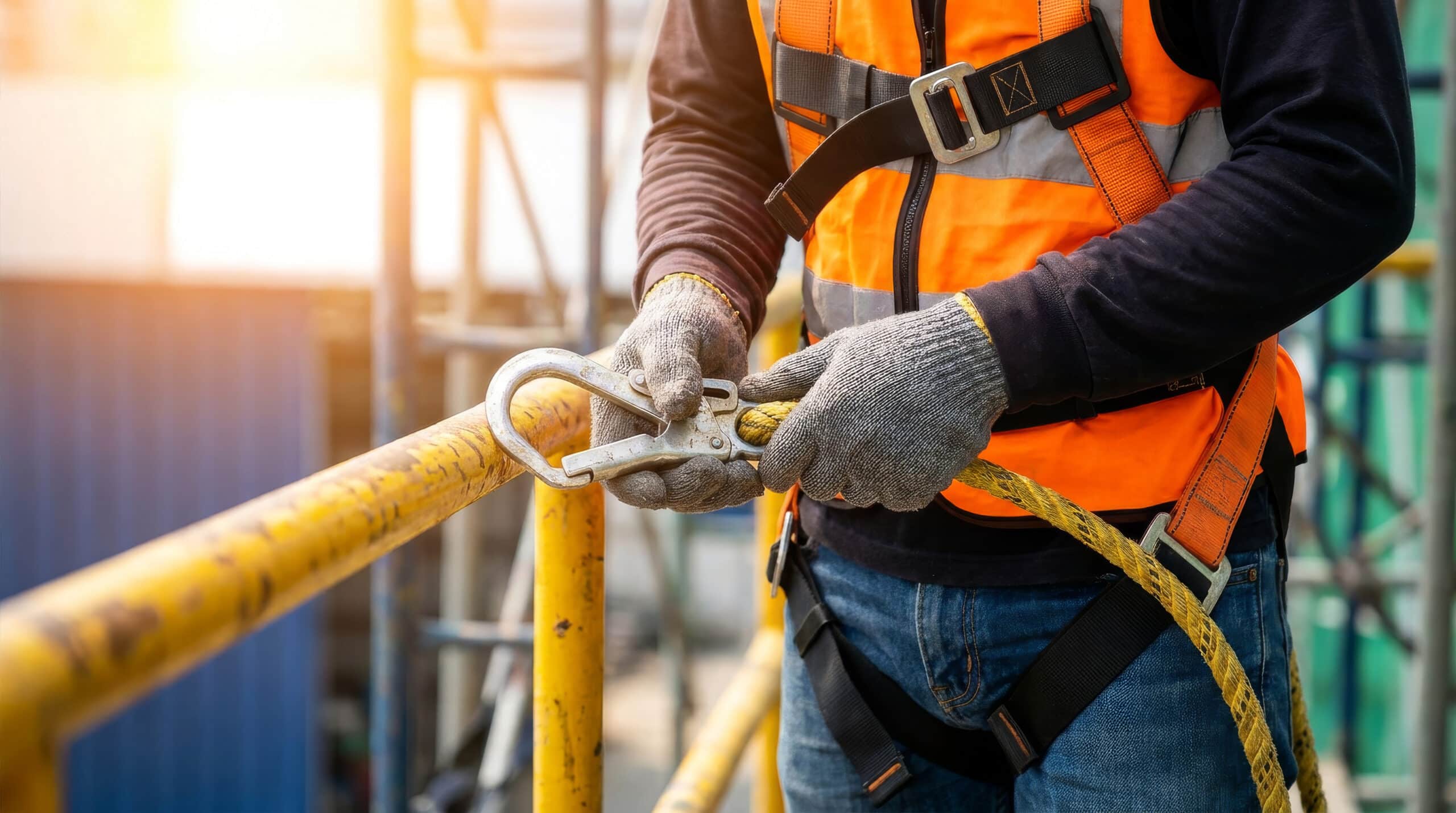
Understanding Equipment Liability in West Virginia Workplaces
People who work in industrial sectors and construction often operate heavy equipment and large machinery. Workers expect to use equipment to complete their job duties without any issues.
However, when mechanical failure occurs because of defects or poor maintenance, it can result in serious injuries. Given the nature of some workplace equipment, these injuries could be severe and result in long-term or permanent disability.
Who Can Be Held Responsible When Equipment Fails or Hurts Workers?
Liability can vary in workplace accidents, and the accident details matter.
For example, if a machine injured you because of your employer’s or a co-worker’s actions, you cannot sue them directly and must file a workers’ compensation claim. However, if the machine-related injury was due to a defect or unsafe design, you may be able to hold the manufacturer at fault through a third-party claim while also receiving workers’ compensation.
What Evidence Is Needed to Prove a Machine Was Defective?
When it comes to third-party equipment liability in West Virginia, some key evidence includes:
- Accident reports
- Photos of the equipment and injuries
- Witness and expert testimonies
- Medical records
- Documentation and information about the machine
When you work with our lawyers, we can determine what evidence you need to help strengthen your claim.
Workers’ Compensation vs. Third-Party Defective Machinery Claims
There is a significant difference between workers’ compensation claims, third-party claims, and what you can recover.
About Workers’ Compensation After a Job-Related Equipment Injury
Workers’ compensation is a no-fault system. This allows workers to file a claim for compensation without establishing fault. It also allows employers to avoid liability.
To be qualified for a workers’ compensation claim, a worker must be injured at work while performing their job duties. Since they do not have to show fault, they can recover compensation more quickly.
About Third-Party Claims After a Job-Related Equipment Injury
If an injury is caused by defective machinery, workers can file a third-party claim to recover additional losses.
In this type of claim, fault must be clearly established, which can make the case take longer.
Why Injured Workers Should Consider Third-Party Claims When Eligible
Workers’ compensation allows for limited recovery after an injury. Typically, it covers medical bills, a portion of your lost wages, and disability compensation.
When you pursue a work equipment injury claim, you can recover compensation for 100% of lost wages, future medical expenses, reduced earning capacity, pain and suffering, lower quality of life, emotional trauma, and more.
To maximize your compensation, talk to our defective machinery accident lawyers in West Virginia.
Can I Sue the Equipment Manufacturer While Receiving Workers' Comp?
Yes, you can sue an equipment manufacturer while also receiving workers’ compensation. However, it is important to work with a lawyer to navigate both claims and understand the legal implications.
If you receive workers’ comp and then win a third-party claim, you will only be compensated for losses that are not covered by your workers’ compensation benefits.
Who Is Liable If Rental Equipment or a Rented Machine Causes a Job Site Injury?
Liability for defective rental machinery used at work depends on the details of the accident.
If the machine caused injuries because the rental company failed to maintain it, the rental company could be held liable. The same is true if the rental company knew about an existing defect but rented out the equipment anyway.
If the machine was inherently defective and the rental company did not know about any dangers, the manufacturer could be held liable.
Accident investigation is critical to determine who the liable party is in equipment-related injuries.
Common Causes of Workplace Equipment Accidents
Workplace equipment may be defective or dangerous due to:
- Flaws in design
- Errors during the manufacturing process
- Insufficient warning labels or instructions
- Poor maintenance or repairs
- Lack of regular inspections
- Failure to remove obsolete equipment from use
If any machinery or equipment injures a worker on the job, it’s important that the equipment not be repaired or tampered with until evidence is gathered.
Steps to Take Immediately After an Equipment-Related Work Injury
A workplace equipment injury can be excruciating and cause severe injuries. When these accidents happen, follow these steps to protect your well-being and your claim.
Seek Medical Attention ASAP
Your first step is to receive immediate medical attention. Depending on the type of machine and accident, you could even be facing catastrophic injuries like a loss of a limb or disfigurement. Medical treatment ensures you receive the care you need, identify other injuries, and document them for a claim.
Document the Equipment Injury to the Best of Your Ability
To the best of your ability, it is critical to document the machinery’s defects and any other relevant information from the scene before the accident is cleaned up or the job site changes. Photos, surveillance footage, witness statements, and maintenance logs can clarify what occurred and help strengthen your claim.
Notify Your Employer About the Equipment Accident
You must also notify your employer immediately after the accident or as soon as physically possible (West Virginia Code § 23-4-1a). If you cannot report the accident yourself, a personal representative may report it on your behalf. You must provide formal written notice describing what occurred, including the date, time, and nature of injuries.
Proving Liability Against Machinery Manufacturers
Demonstrating third-party equipment liability can be challenging. The evidence must demonstrate how the machinery was defective. This process is nuanced, so it is important to work with our defective machinery lawyers. We can determine what evidence can strengthen your claim.
What Kinds of Evidence Can Help with a Defective Equipment Claim?
The amount of evidence needed in these cases is often substantial. Some important evidence to help show equipment was flawed or dangerous includes:
- Equipment documentation
- Photos of the equipment (before and after the accident, ideally)
- Physical parts from the machinery
- Statements from witnesses and co-workers
- Maintenance and repair records
- Medical records following the incident
What Is Strict Liability? How Does It Affect My Claim?
In product liability cases like these, strict liability commonly applies. This means you do not have to show that the manufacturer was negligent; you only need to show that they issued a machine with a defect that caused you to suffer injuries.
When this is clearly shown, you can hold them liable for your losses. Our lawyers can help determine whether you have a viable case.
How Long Do I Have to File a Defective Equipment Lawsuit in West Virginia?
In West Virginia, there is a two-year statute of limitations to file an injury claim (West Virginia Code § 55-2-12). Once this deadline expires, you cannot pursue a lawsuit, and you assume full responsibility for paying your losses out of pocket.
Don’t delay. Talk to a defective work machinery lawyer after your accident to find out if you have a claim.
Learn More About Your Legal Options After a Work Equipment Injury
At Warner Law Offices, PLLC, we can help you navigate a faulty equipment injury and assess your options for recovering your losses. We understand how much damage defective machinery can cause, and we are in your corner every step of the way. Our team also protects your rights as we stand up to product manufacturers. Contact our West Virginia law firm today to schedule a free consultation.